25 Oct 2026
Tracing Security Protocol Evolutions Across Digital Card Platforms
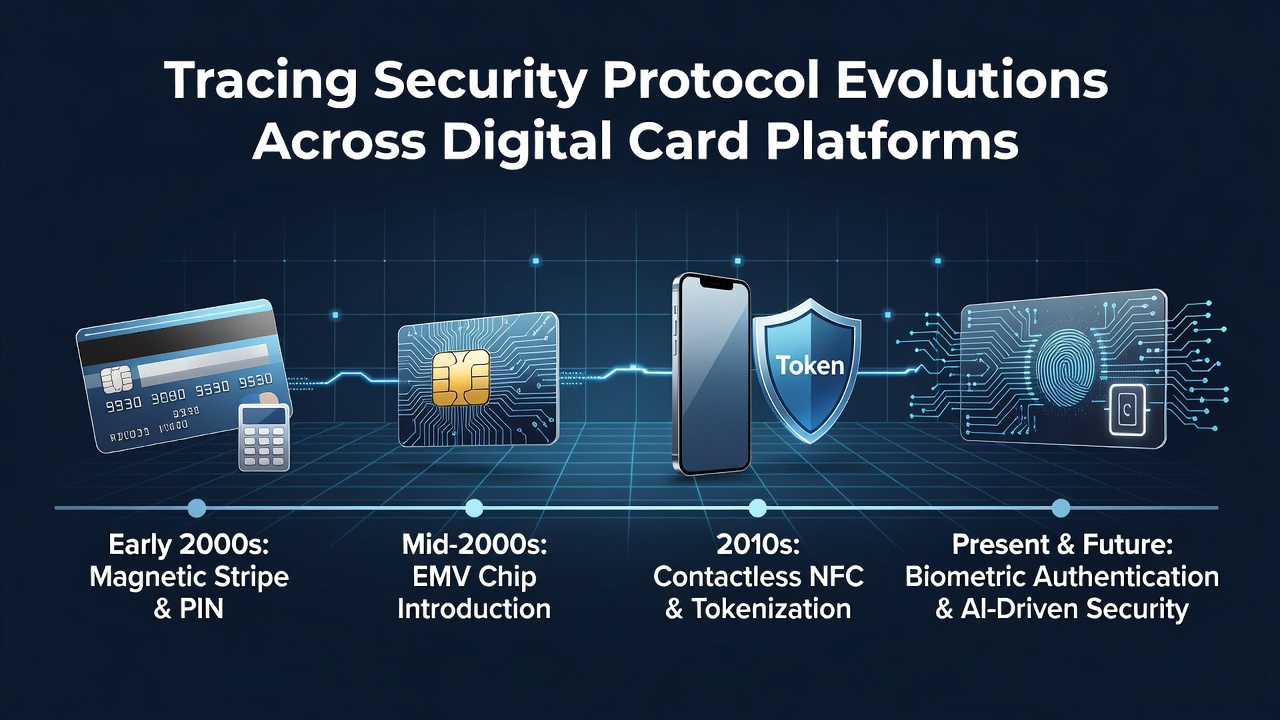
Digital card platforms have shifted their security approaches over the past two decades as encryption standards, authentication methods, and regulatory frameworks advanced in tandem with growing user bases and transaction volumes. Early systems relied on basic secure sockets layer connections that protected data in transit yet left gaps in key management and session handling, while later iterations incorporated transport layer security versions that addressed vulnerabilities through stronger cipher suites and forward secrecy mechanisms.
Initial Foundations in Encryption and Data Protection
Platform operators began implementing payment card industry data security standards during the mid-2000s, requiring segmentation of cardholder data environments and regular vulnerability scans that became baseline requirements across major sites. Researchers documented how these measures reduced certain types of interception risks, and data from regulatory filings showed adoption rates climbing steadily as operators aligned with international benchmarks set by bodies in North America and Europe. Those early frameworks emphasized network segmentation and access controls, yet they operated alongside simpler random number generator certifications that focused primarily on output uniformity rather than end-to-end integrity checks.
Transition to Advanced Authentication and Session Controls
Multi-factor authentication emerged as a standard layer by the early 2010s, combining something users know with something they possess, while behavioral analytics began flagging anomalous login patterns in real time. Industry reports indicate that platforms integrating these tools experienced measurable drops in account takeover incidents, and observers note that the combination of time-based one-time passwords with device fingerprinting created more resilient barriers against credential stuffing attacks common in card gaming environments. At the same time, session management protocols evolved to include shorter token lifespans and automatic re-authentication triggers that limited exposure windows during extended play sessions.
Regulatory Milestones and Cross-Border Standards
By the late 2010s, updates to transport layer security reached version 1.3, which removed legacy cipher suites and streamlined handshakes to reduce latency without sacrificing protection, and operators across regions migrated accordingly. Figures from the National Institute of Standards and Technology detail how these changes aligned with federal guidelines for cryptographic modules used in gaming software, while similar alignments occurred under frameworks managed by Canadian provincial regulators and Australian state authorities. The reality is that compliance timelines varied by jurisdiction, yet the cumulative effect standardized minimum encryption strengths and audit frequencies that platforms still reference today.
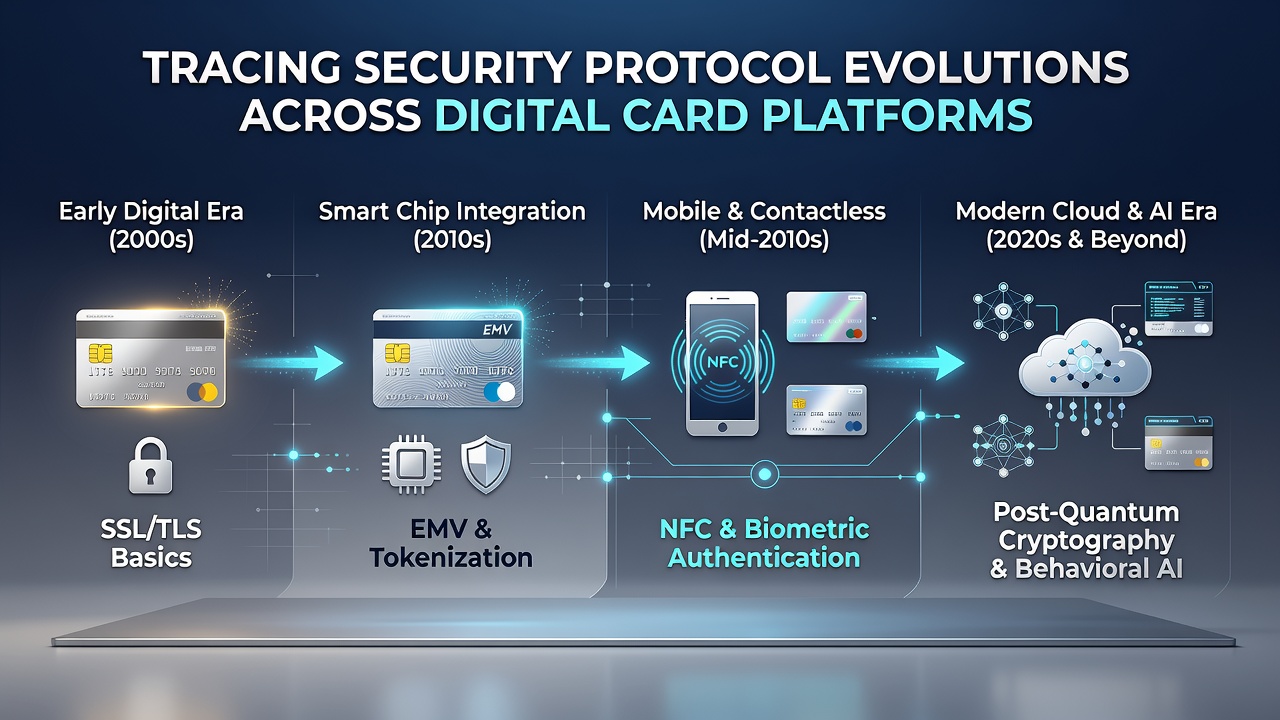
Quantum-resistant algorithms started appearing in pilot programs around 2024, with several major card platforms testing lattice-based cryptography for long-term key exchanges in anticipation of future computational threats. Those who've studied migration patterns note that early testing focused on hybrid modes combining classical and post-quantum methods to maintain backward compatibility during rollout phases. Data compiled through 2025 showed increasing participation from operators in Asia-Pacific markets alongside established North American and European sites, reflecting coordinated efforts among trade associations to share implementation benchmarks.
Integration of Monitoring Technologies and Fairness Verification
Continuous monitoring systems now combine machine learning models with traditional logging to detect anomalies in card shuffle sequences and betting patterns, and studies from research institutions have quantified improvements in fraud detection speed following these deployments. Platforms began embedding certified hardware security modules for random number generation that undergo periodic third-party evaluations, while distributed ledger approaches for outcome verification gained traction in select environments where transparency requirements intersect with player trust metrics. Observers point out that these layered controls operate in parallel with regular penetration testing cycles mandated by licensing bodies, creating overlapping safeguards that address both external threats and internal process risks.
October 2026 marks the scheduled enforcement window for updated cryptographic requirements in several jurisdictions, including enhanced key rotation intervals and mandatory support for the latest transport layer security configurations across licensed operators. Those preparing for the transition have already completed compatibility assessments, and figures released by provincial gaming authorities in Canada indicate that most active platforms expect to meet the deadlines without service interruptions. Additional guidance from European trade groups has emphasized documentation standards that allow auditors to trace protocol configurations from initial deployment through ongoing maintenance.
Conclusion
The progression of security protocols across digital card platforms reflects iterative responses to emerging threats, regulatory updates, and technological capabilities that continue to shape operational requirements. Each phase built upon prior foundations by strengthening encryption, expanding authentication options, and incorporating advanced monitoring while maintaining compatibility with existing user bases. As October 2026 approaches, ongoing migrations toward post-quantum readiness and refined compliance frameworks demonstrate how the sector sustains these evolutions through coordinated technical and regulatory efforts.